Do you need planning permission to convert a garage?
Usually not. Here is when you do, how to check your own house, and what the councils around Solihull, Birmingham and Coventry actually decide.
The short answer
Usually, no.
Turning your garage into a room of your house is normally covered by permitted development. That is a standing permission every house has, unless it has been taken away. It applies as long as the outside barely changes and the room becomes part of your home.
When people near us do apply, almost all get a yes. 92.2% of 3,630 garage conversion planning applications to eight councils around Solihull, Birmingham and Coventry were approved between 2016 and October 2026.
You will still need building regulations approval. That is a separate check on how the room is built, and most garage conversions need it. Our building regulations guide explains it.
- Approved92.2%3,247 of 3,520 decided applications, eight councils, 2016 to October 2026.
- Typical wait53 daysFrom a valid application to a decision. 72.3% were decided within eight weeks.
- Refused for parking1 in 141Losing the garage as parking was the reason in one of 141 refusal letters we read.
Source: Garage Conversions Solihull research (2026-10-15), from council records collected by PlanIt. Withdrawn applications count as not approved. See the full study
When don't you need planning permission?
Permitted development lets you make some changes to a house without applying, because the government has already given permission in advance. Turning a garage into a room is one of them. You can usually go ahead without an application if all of these are true:
- It is a house, not a flat or maisonette.
- The work is mainly inside the garage.
- The wall and window where the garage door was look like the rest of the house.
- The garage does not get bigger or taller.
- The new room is part of your home, not a separate home.
- Nobody has taken your permitted development rights away (the next section explains how that happens).
The Planning Portal is the government's planning service. It says planning permission is not usually required, providing the work is internal and does not involve enlarging the building.
When do you need planning permission?
Were my estate's rights taken away?
This is the most common reason a garage conversion needs an application. When some estates were built, the council added a condition that removed the right to convert garages, often to protect parking on the street. The condition stays with every house on the estate.
Solihull refused 15 lawful development certificates, and 7 were for homes like this. Their conditions date from 1972, 1979, 1993 and 2005. The good news follows in the certificate section: most of those homes then got full permission.
Is my house listed or in a conservation area?
A listed building needs listed building consent for most changes, inside or out. In a conservation area, changes to the front are watched closely. Some areas also have extra rules, called Article 4 directions, that remove permitted development rights.
Do I live in a flat or maisonette?
Permitted development for this kind of work applies to houses only, so a garage belonging to a flat needs an application.
Will it be a separate home?
A room or annexe that stays part of the house, sharing its entrance, garden and bills, is fine. A garage turned into a home someone could live in on its own needs planning permission, whoever will live there.
Am I changing the outside of a detached garage?
Converting the inside is usually fine. Adding a bay window, another storey or a bigger footprint is not. A Stratford appeal was dismissed because a bay window on a detached garage needed permission.
Am I doing other work at the same time?
An extension, a dormer or a new porch in the same plans is judged on its own rules. Most refusals near us were about that other work, not the conversion.
How do I check if my house still has permitted development rights?
It takes a few minutes online for most houses.
- Find the original planning permission for your estate. Search your road on the council's planning website and look for the permission that built the houses. Read its conditions. A line removing permitted development rights, or saying garages must be kept for parking, is the one to look for.
- Check your deeds. Some estates also have covenants that need the developer's consent before you convert.
- Ask the council in writing. One Solihull homeowner's file shows a planning officer confirmed by email that the house still had its rights, before the owner applied.
- For certainty, apply for a lawful development certificate. It puts the answer in writing, which helps when you sell.
What is a lawful development certificate?
It is the council confirming in writing that your conversion does not need planning permission. You do not have to get one. Many homeowners do, because a buyer's solicitor may ask for proof when you sell.
A certificate for work you plan to do costs £274, half the £548 householder planning fee. Councils near us took a typical 47 days to decide. Across the eight councils, 79.2% of decided certificate applications were granted (397 of 501).
What if a certificate is refused?
It usually means one of two things. Either your estate's rights were removed, or something else in the plans was too big to count. Neither is the end of it. In Solihull, 5 of the 7 homes refused because their rights were removed went on to get full planning permission. The other 2 were refused recently.
Will the council approve my garage conversion?
Almost certainly, if it is a room of your house and the front looks right. Across England, 88% of all planning applications were granted in April to June 2026. For garage conversions near us the figure is higher, at 92.2%. In Solihull it is 98.1%, and we found no refusal of an ordinary conversion into a room of the house outside the Green Belt.
- Solihull98.1%1,020 of 1,040 decided applications approved.
- North Warwickshire96.8%91 of 94 decided applications approved.
- Bromsgrove and Redditch95.4%289 of 303 decided applications approved.
- Coventry92.3%624 of 676 decided applications approved.
- Warwick90.7%323 of 356 decided applications approved.
- Stratford-on-Avon87.2%395 of 453 decided applications approved.
- Birmingham84.4%505 of 598 decided applications approved.
Garage conversion planning applications, 2016 to October 2026. Bromsgrove and Redditch share one planning service. Source: Garage Conversions Solihull research (2026-10-15). England figure: government planning statistics, all types of application.
What gets approved, and what gets refused
We read all 141 refusal letters we could open. Most were about other work in the same plans: extensions, dormers, a new garage in front of the house. Where the conversion itself was refused, it was nearly always about how the front looked or about making a separate home. Losing parking was the reason once, in a 2018 Warwick plan that also put a new garage in front of the house.
How long does a planning decision take?
GOV.UK says most planning applications are decided within 8 weeks. Garage conversions near us took a typical 53 days, and 72.3% were decided inside eight weeks. Birmingham was the quickest.
- Birmingham44 daysTypical time to a decision.
- Solihull50 daysTypical time to a decision.
- North Warwickshire52 daysTypical time to a decision.
- Bromsgrove and Redditch54 daysTypical time to a decision.
- Coventry55 daysTypical time to a decision.
- Warwick56 daysTypical time to a decision.
- Stratford-on-Avon56 daysTypical time to a decision.
Middle value of each council's decided applications, 2016 to October 2026. Source: Garage Conversions Solihull research (2026-10-15).
How much does a planning application cost?
- Planning application£548The householder fee in England from 1 April 2026.
- Lawful development certificate£274Half the planning fee, for work you plan to do.
Source: GOV.UK planning fees from 1 April 2026.
These are the council's fees only. For what the conversion itself costs, see garage conversion prices.
Common planning mistakes with garage conversions
Planning
- Assuming a house on a newer estate still has its rights.
- Putting an extension in the same application as the conversion.
Design
- A front that does not match the house, such as a bay window or the wrong bricks.
- Making the garage taller or bigger first.
Paperwork
- No certificate or planning paperwork to show a buyer.
- Missing drainage details, a reason Solihull refused some follow-on applications.
Planning near you
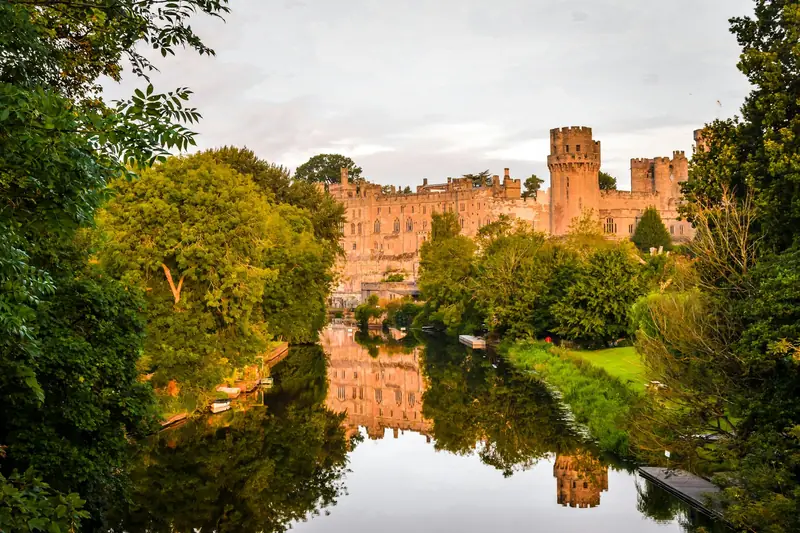
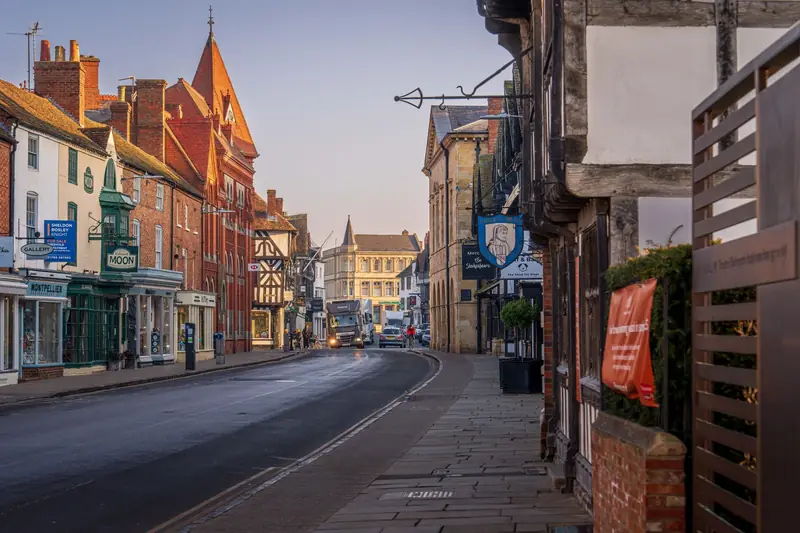
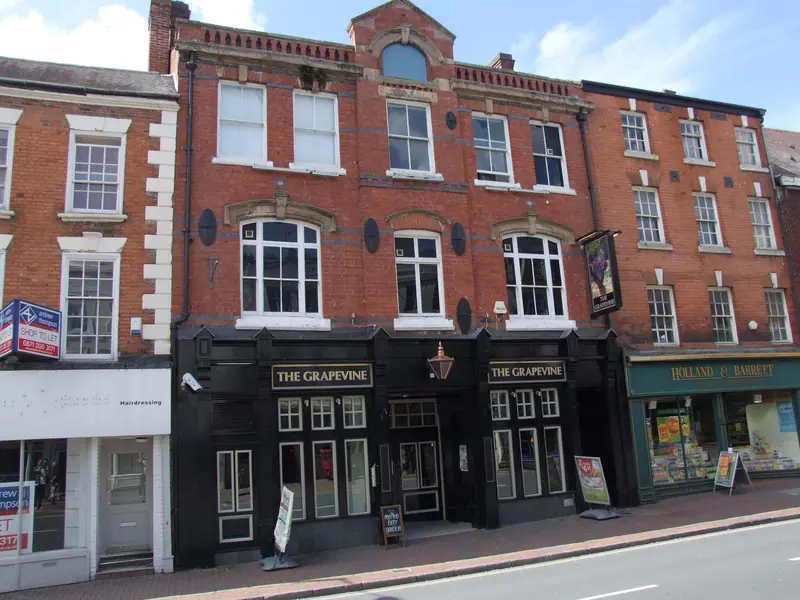
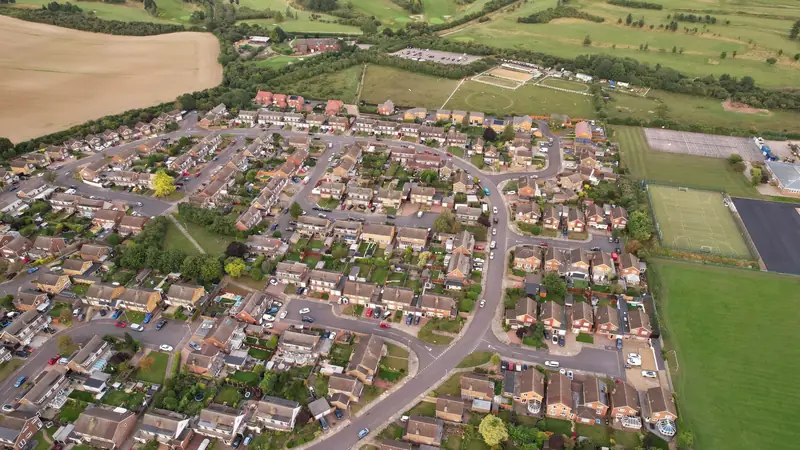
Each area page has its own council's figures, refusal reasons and local planning notes.

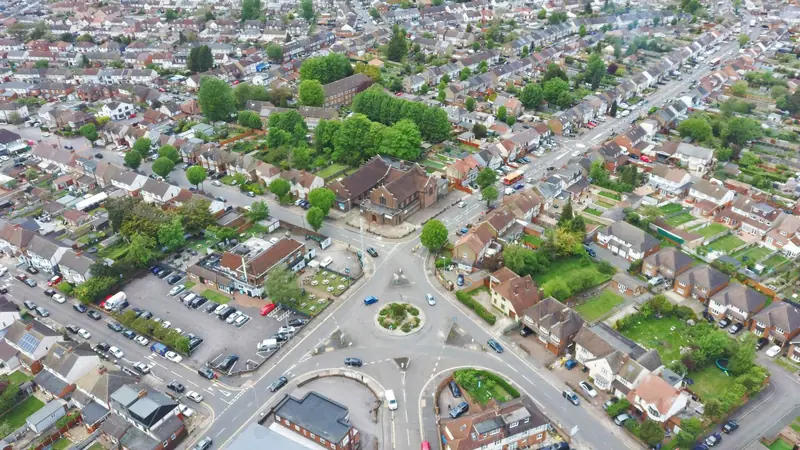
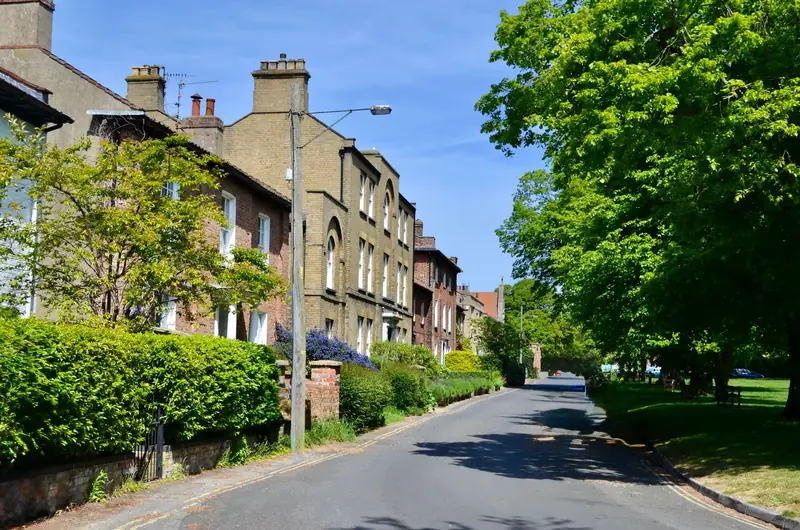
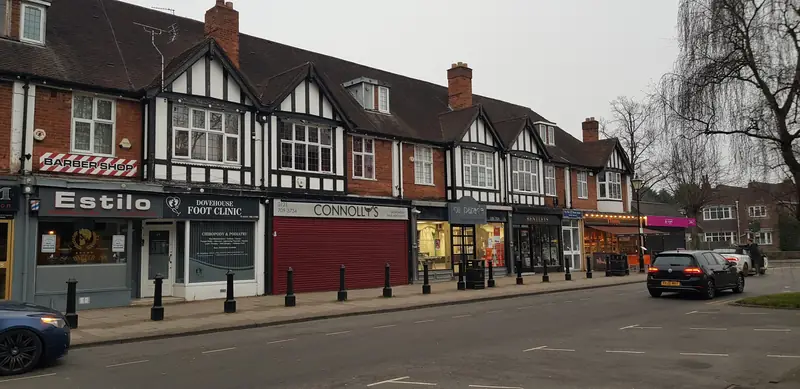

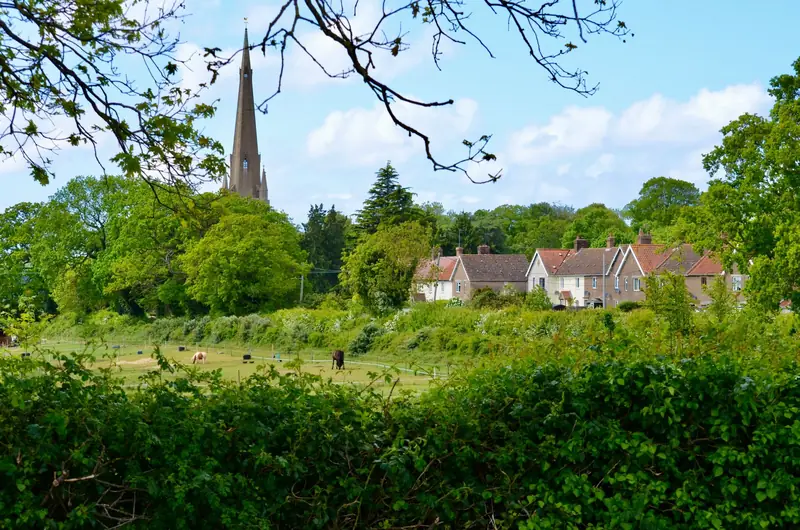
Photos: Olton by Paul Collins, CC BY-SA 2.0; Bromsgrove by Chris Whippet, CC BY-SA 2.0
Planning permission for garage conversions: your questions
Can I convert my garage without planning permission?
Usually, yes. Turning a garage into a room of your house is normally permitted development, so no application is needed. That holds as long as the work is mainly inside and the building does not get bigger. Check first if you live on a newer estate, in a flat, in a listed building or in a conservation area.
Do I need planning permission to replace my garage door with a window?
Not usually, when the new wall and window match the rest of the house. That is part of normal permitted development. A bay window or a porch on the front is a different matter: those are the changes councils near us have refused.
Will losing my parking space stop a garage conversion?
Very rarely. We read 141 refusal letters across eight councils. Losing the garage as parking was the reason in one, a 2018 Warwick plan that also put a new garage in front. Councils near us often note that many garages are too small for a modern car.
Do I need planning permission to convert a detached garage?
Not usually, if it becomes part of your home and the outside barely changes. Turning it into a separate home, or adding a bay window or another storey, does need an application. A Stratford appeal over a bay window on a detached garage was dismissed.
What is the 4 year rule for garage conversions?
It is about how long a council has to act on building work done without permission. In England it is now 10 years for building work finished on or after 25 April 2024. Work finished before then keeps the old 4 year limit. It is not a way round planning or building regulations, and a buyer's solicitor will still ask for the paperwork.
Is planning permission the same as building regulations?
No. Planning is about how the building is used and how it looks from outside. Building regulations check that the new room is built safely, warm and dry. Most garage conversions need building regulations approval even when they need no planning permission.
Related guides
Sources and further reading
- Planning Portal: garage conversion and planning permission
- The Town and Country Planning (General Permitted Development) (England) Order 2015
- Planning Portal: lawful development certificates
- GOV.UK: planning application statistics
- PlanIt, which collects each council's planning register, and the councils' own planning sites, where we read the refusal letters.
Published 21 October 2026Researched and checked by Ben Criddle
Ask for a quote for your garage conversion
Tell us where you are and what you want the garage to become.
- We visit to measure up and talk it through.
- You get a written price before any work starts.
- Our prices are on the site, so you know the range before we come.